Showing posts with label x86_64. Show all posts

01 November, 2014

Nekro >:D

I don't usually tend to fork out wet stinky for Early Access-games on Steam, but, on this occasion I made an exception. After watching LinuxGameCast's episode about it, I just couldn't help myself :P


( Forward to 9:02 for review of Nekro's Early Access )


Excerpt from the Nekro Steam-page:
Raise demons and spawn unholy weapons of war as a powerful Necromancer with an insatiable blood lust. Customize your minions to your liking and perfect your ideal "monster loadout." Tear your enemies limb from limb and harvest their corpses to strengthen your dark magics.


For an Early Access beta, this game is surprisingly well made (and even debugged(!)) to be at version 0.8.5.5. Not even at pre-release stage and it behaves like a release already.

It ran exceptionally well on Linux (32-bit "Unity"-game on 64-bit Linux).

http://store.steampowered.com/app/246400/

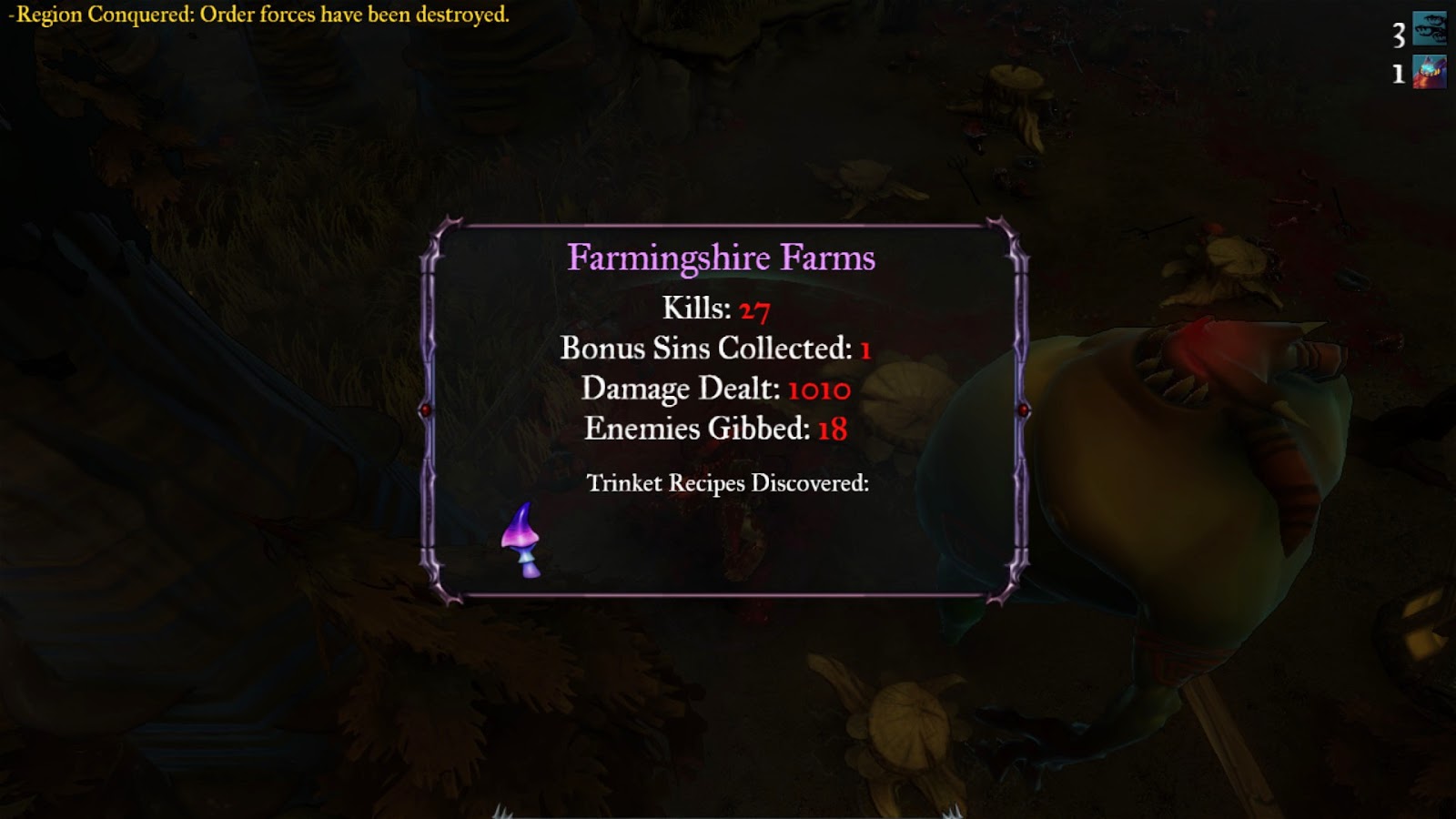
All the following screenshots are from the 0.8.0.3-version.


24 April, 2013

AMD + SoC + ARM

The previous post was about AMDs current bugdet-line mobile processors. Before that, I posted (in Norwegian) about their plans for future mobile solutions.

They are basing their new budget-line / mobile processors on the "Jaguar" microarchitecture (the pre-decessing C- and E-series are "Brazos" based), and will sport 64-bit dual- or quad-core ("Bobcat" x86-cores) with integrated Radeon 8000 graphics (80-core GPU), significantly outperforming any "Atom"-chips with integrated graphics from Intel.

The new "AMD Embedded G-series System-on-Chip" sets will be made in two versions (or architectures): x86 and ARMDetermining which architecture a chip is based on, is as easy as looking at the CPU-logo; the ARM-version will have an "A" in the lower right corner of the logo and the x86-version will have an "X" (as shown in the picture below).


AMDs "Embedded G-series SoC" seems to be direct competition against Intels "Atom" budget-line. CPU-vendor competitiveness is, as we all know (at least the one's paying attention), a good thing :-P

It will be exciting to see how the combination ARM+Radeon will operate and behave performance-wise :-) since I've been an avid embedded (ARM ) fan for years, it'll also be quite interesting to see AMD play with both CISC- and RISC-based designs in the same series.

AMD press-release:
http://www.amd.com/us/press-releases/Pages/amd-embedded-gseries-2013apr23.aspx

23 April, 2013

AMD, SoC og ARM.


AMDs nye satsing på bærbare enheter heter "AMD Embedded G-series System-on-Chip" (kort: SoC), basert på AMDs nye Jaguar mikroarkitektur.

AMDs pressemelding:
http://www.amd.com/us/press-releases/Pages/amd-embedded-gseries-2013apr23.aspx

Det er nok den nye strømgjerrige serien som skal konkurrere direkte med Intels "Atom"-serie (benyttet i NAS-bokser, nettbrett, mini-laptoper, osv.).

Brikkene skal lages i to arkitekturer: ARM og x86. Om brikken er ARM- eller x86-basert ses nede i høyre hjørne av logoen hvor det blir trykt en "A" for ARM, og en "X" for x86 (bildet ovenfor viser en x86-basert brikke). De vil også komme med to eller fire kjerner som vil kjøre på en klokkefrekvens mellom 1 til 2 GHz. Grafikkmessig stiller AMD seg bedre enn Intel. Disse brikkene har integrert GPU basert på Radeon 8000 som i følge AMD gir opptil 5 ganger bedre grafikkytelse enn tilsvarende "Atom"-prosessorer fra Intel.

Personlig liker jeg veldig at AMD leker med å blande CISC / RISC i en brikke-serie, og det vil bli voldsomt spennende å se hvordan brikke-kombinasjonen ARM / Radeon vil oppføre seg i bruk.

Hardware.no-artikkel:
http://www.hardware.no/artikler/dette-er-amds-nye-atom-konkurrent/132867

16 April, 2013

Oppgradering?


Blir nok heller satsning på Vishera mikro-arkitekturen hvis jeg skal oppgradere kjerne-systemet :-) FX-8350s etterkommer :-) ekte "octa-core" 5GHz ulåst FX-prosessor :-p

Link:
http://www.hardware.no/artikler/amd-planlegger-trolig-ny-raskinn-prosessor/132573

02 March, 2013

Upgrade?


At the moment, I usually sit on an AMD Phenom II X6 workstation/server/gaming-rig. But I'm thinking of upgrading to AMDs Bulldozer Vishera "true" octa-core micro-architecture.

With an octa-core based CPU running under the hood, I'll be able to compute data-loads / -streams that will be more common in the time coming.

Not that more cores are absolutely necessary, nor instantly, but with coming gaming-consoles sporting custom octa-core chips, homebrew and the like will demand (more powerful, and in some cases, distributed) computing-power.

6 cores (hexa-core) running @ 3GHz is plenty enough for most tasks today, from mundane (simple 3D) flash-games to more comprehensive high-definition 3D gaming. But 2 extra cores and an extra GHz of clock-frequency will definitely raise the bar enough to postpone sluggishness and lag.